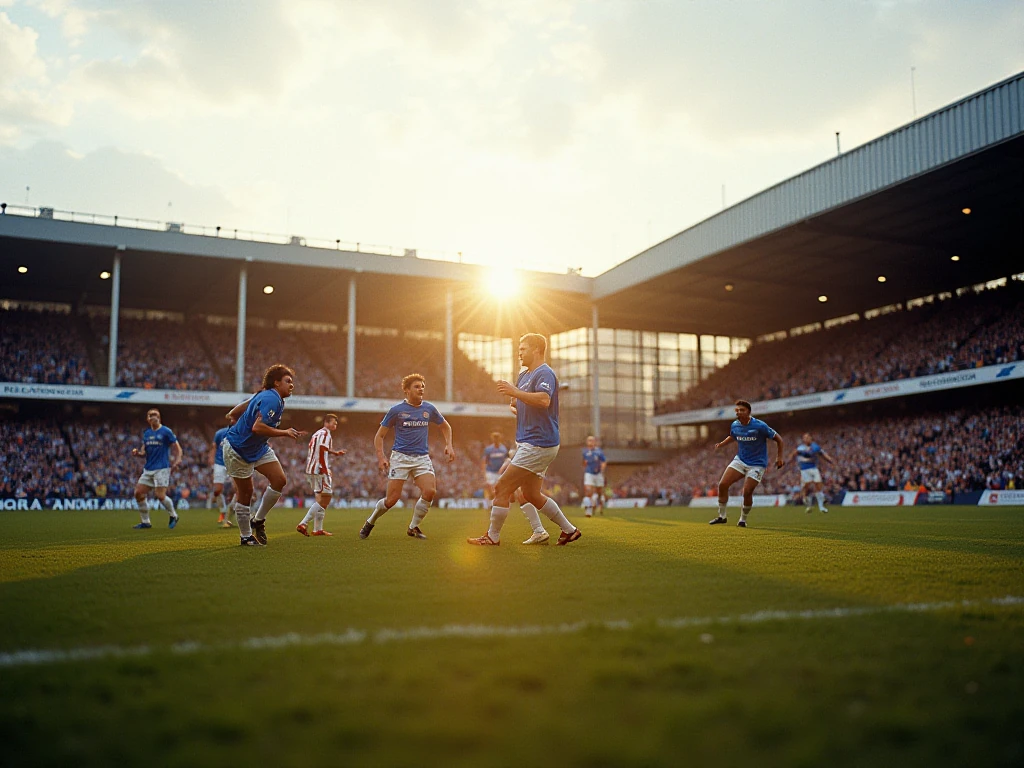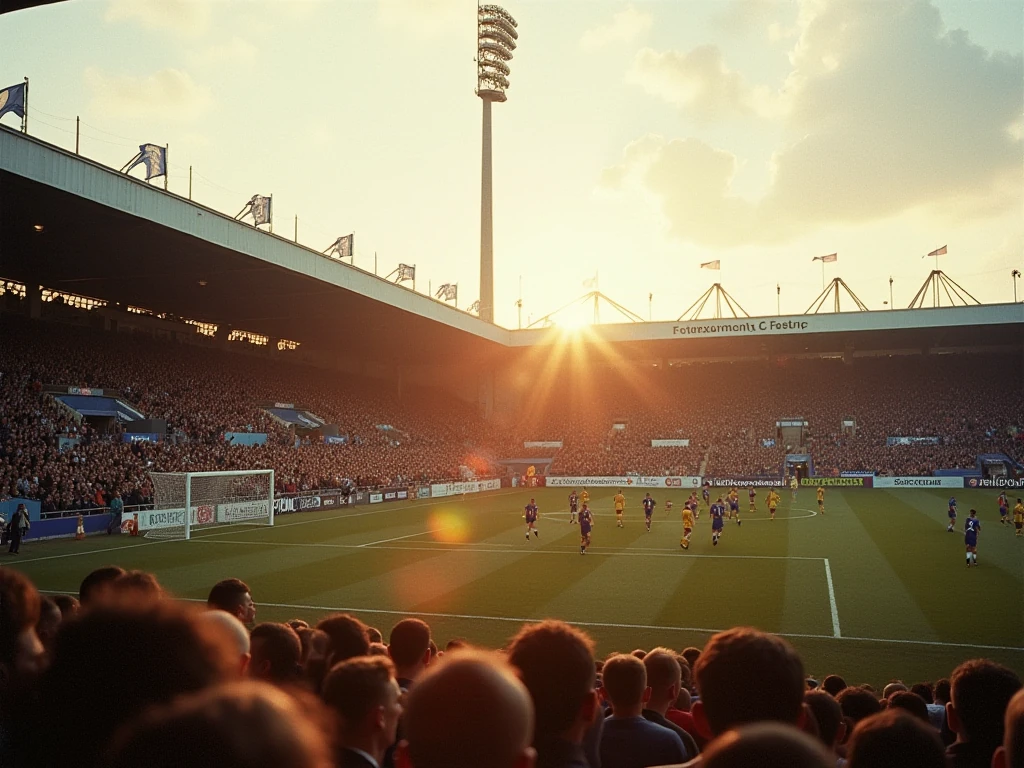

The final whistle has blown, the points tallied, and the collective sigh of relief across Peterborough is almost palpable. After a season that tested the resolve of players, management, and the unwavering London Road faithful, Peterborough United has officially secured its League One status for the next campaign. The hard-fought battle against the drop is over, and Posh can now look forward to another year in the third tier, a sign of the grit and resilience displayed when it mattered most.
This wasn't a season for the faint of heart. From the outset, Posh found themselves embroiled in a dogfight, a stark contrast to the promotion pushes that have so often defined the club's recent history. Early results failed to ignite the campaign, leading to an anxious atmosphere and a lingering sense of unease. A string of inconsistent performances, coupled with some costly individual errors and moments of misfortune, meant that the club rarely managed to pull itself clear of the dreaded relegation zone. The gaffer faced immense pressure, handling a squad that at times seemed to lack cohesion, and grappling with the eternal challenge of League One - its brutal competitiveness where any team can beat another on their day. Injuries to key players at critical junctures further complicated matters, forcing tactical reshuffles and testing the depth of the squad to its absolute limit. It was a gruelling experience, punctuated by the occasional glimmer of hope quickly followed by frustrating setbacks, making every match a high-stakes affair and every point a precious commodity. The winter months, in particular, proved to be a lean spell, casting a long shadow over the club's prospects and leading many outside observers to question Posh's ability to avoid the trapdoor. Yet, through it all, a core of determination persisted.
The journey to survival wasn't a straight path; it was a winding road fraught with peril, but ultimately defined by key moments and tactical adjustments. While no single "great escape" victory can be pinpointed, it was the accumulation of hard-won points during key stretches that ultimately proved decisive. The team, under pressure, often found a way to grind out results, particularly at London Road, where the roaring support from the stands seemed to inject an extra burst of energy into the players. Defensive solidity became a non-negotiable, and clean sheets, though sometimes rare, were celebrated as much as a net-buster. There were games where Posh had to absorb sustained pressure, showing a newfound defensive discipline and character to deny opposition attacks. In attack, the emphasis shifted from free-flowing football to clinical efficiency, capitalising on set-pieces and quick transitions. A particularly gritty run of fixtures against fellow strugglers often yielded vital points. The manager's ability to motivate and tweak formations, perhaps transitioning between a more direct approach and periods of controlled possession depending on the opponent, played a significant role in handling these treacherous waters. This tactical flexibility, combined with an unwavering work ethic, became the bedrock upon which survival was built.
Survival campaigns are built on the backs of dedicated individuals who rise to the occasion, and Posh's squad certainly had its share of heroes. While perhaps not always playing with the champagne football fans dream of, every player contributed to the collective goal. Veteran leaders in the squad provided much-needed experience and composure during nervy periods, steadying the ship when doubts began to creep in. Their presence on the pitch and in the dressing room was invaluable, ensuring that heads didn't drop even after disappointing results. Alongside these seasoned campaigners, several younger talents blossomed under the immense pressure, gaining invaluable experience that will undoubtedly serve them well in their careers. Their youthful exuberance and fearless approach often injected a much-needed spark into performances. Strikers might not have always been prolific, but their tireless pressing and key goals in tight contests were worth their weight in gold. Midfielders battled relentlessly for supremacy, breaking up play and driving forward, while the defensive unit, from the goalkeeper to the full-backs and centre-halves, often put their bodies on the line, embodying the fighting spirit required to stay in the division. It was a collective effort, a true team game where every tackle, every block, and every sprint counted towards the ultimate objective.
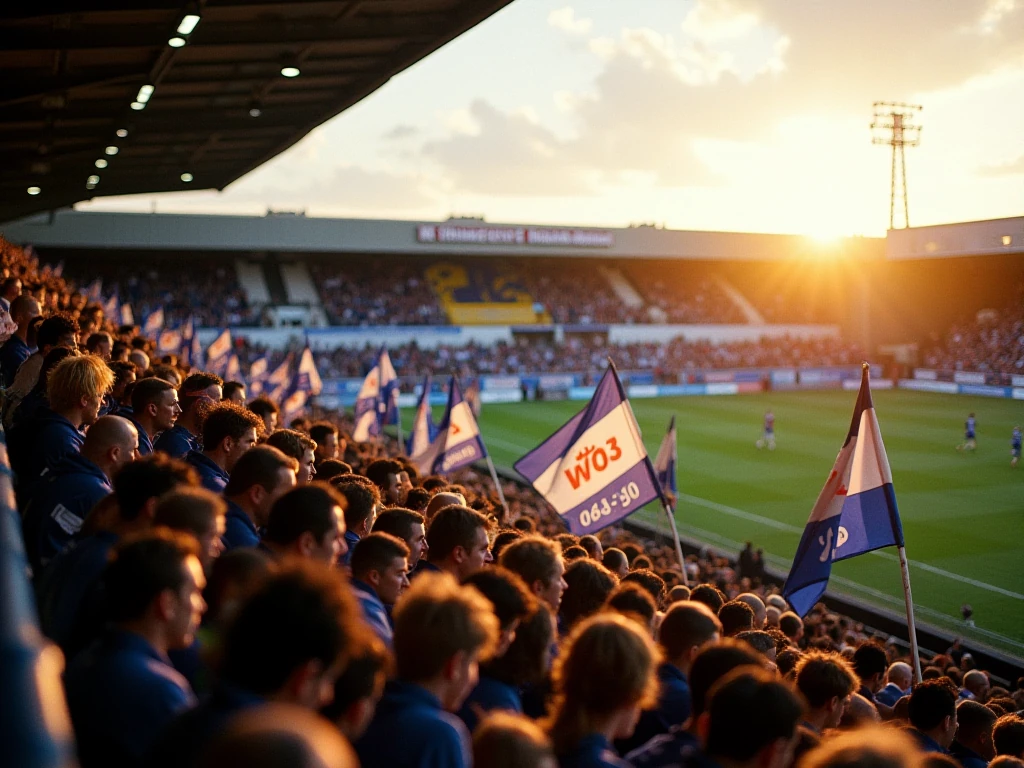
The rollercoaster of emotions felt by the London Road faithful throughout this grueling season is almost impossible to quantify. From the initial optimism to the creeping anxiety, through periods of desperate hope and gut-wrenching despair, Posh supporters have endured it all. Week in and week out, they turned up, roared on their team, and provided that vital twelfth man presence that makes London Road such a difficult place for visiting teams. There were moments of frustration, naturally, as performances dipped and points slipped away, but the underlying loyalty and passion never wavered. The noise generated, especially during tense late-game situations, often spurred the players to find that extra gear. Social media buzzed with nervous energy before every match, and the post-game analysis, whether celebratory or commiseratory, always circled back to the singular focus: survival. The relief now is immense, a release of tension that has been building for months. It’s a moment for the fans to take a deep breath, to celebrate the fact that their club will remain in League One, and to appreciate the efforts of everyone involved. This shared experience, this collective battle, has undoubtedly strengthened the bond between the club and its community, forging new memories and reinforcing old loyalties.
This season presented a myriad of challenges that stretched beyond just on-pitch performances. Squad depth, always a concern for clubs operating within League One budgets, was tested severely, especially during periods of fixture congestion and injury crises. The gaffer and his backroom staff had to be resourceful, often relying on tactical versatility and the development of fringe players. Maintaining morale amidst a relegation scrap is no easy feat, and the psychological demands on the players and coaching staff were immense. Avoiding the public blame game and fostering a united front was key. Moving forward, this season serves as a powerful, albeit painful, lesson. The club must reflect on what went wrong and what went right. Proactive recruitment in the summer will be most important, aiming to build a squad with greater resilience, depth, and consistent quality across all positions. The tactical approach for the next season will need careful consideration, building upon the defensive solidity shown in patches while reintroducing a more consistent attacking threat. This experience, while challenging, provides a unique opportunity to learn, adapt, and return stronger.
As the dust settles on a truly demanding campaign, Peterborough United can finally exhale. Survival in League One wasn't just a goal; it became an obsession, and the players and staff delivered. While this season may not be remembered for dazzling football or promotion heroics, it will certainly be etched into the club's history as a period of immense character and perseverance. The focus now immediately shifts to the future. With their League One status assured, the hard work begins again: building, planning, and preparing to ensure that the next chapter at London Road is one of aspiration and sustained success, rather than another nail-biting fight for survival. The aim must be to put clear daylight between Posh and the bottom spots, to look upwards, and to challenge for a more comfortable, and more ambitious position in the league table. The spirit of Posh has once again prevailed.